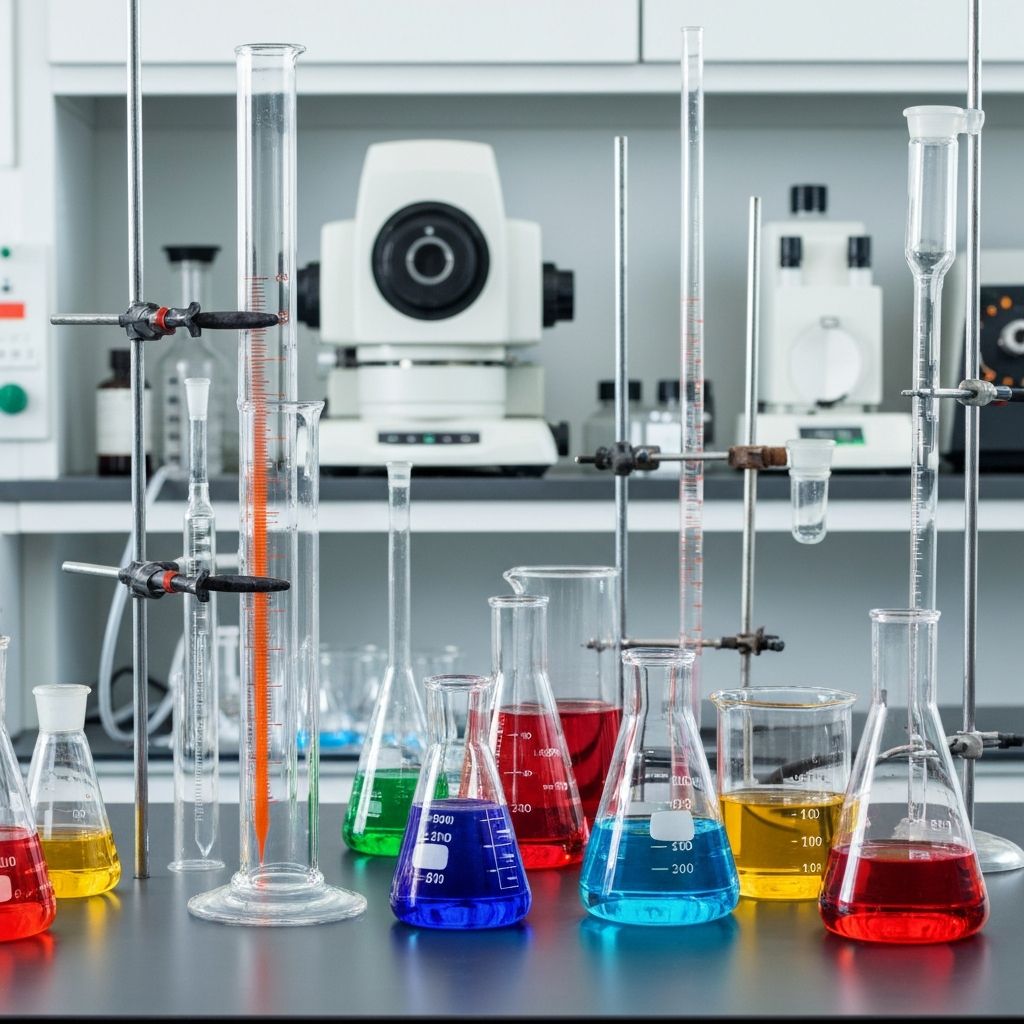
Understanding how nutrients are classified, processed, and utilized
Nutritional science represents the systematic study of how nutrients are classified, absorbed, metabolized, and utilized by organisms. This field encompasses biochemistry, physiology, and psychology to understand the complex relationships between food, nutrition, and health.
Nutrients are classified into two major categories: macronutrients, needed in large quantities, and micronutrients, needed in smaller amounts but equally essential for physiological functions.
Primary energy source for the body, providing 4 calories per gram. Include simple sugars and complex carbohydrates with different absorption rates and physiological effects. Essential for brain function and physical activity.
Composed of amino acids, proteins provide 4 calories per gram and serve structural and functional roles in every cell. Essential for muscle building, enzyme production, immune function, and hormone synthesis.
Provide 9 calories per gram and essential for hormone production, nutrient absorption, brain function, and cell membrane structure. Include saturated, monounsaturated, and polyunsaturated varieties with different physiological effects.
Essential for all physiological processes including temperature regulation, nutrient transport, and waste elimination. Constitutes 50-70% of body weight and requirements vary based on activity level and climate.
Organic compounds essential for energy metabolism, immune function, bone health, and countless other physiological processes. Vitamins are either water-soluble (requiring regular intake) or fat-soluble (capable of storage in body tissues).
Inorganic elements essential for bone structure, nerve function, muscle contraction, and metabolic processes. Major minerals include calcium, phosphorus, magnesium, and potassium. Trace minerals include iron, zinc, copper, and iodine.
Plant-derived compounds including phytochemicals, antioxidants, and fiber contribute to health through mechanisms beyond basic nutrition. Research continues exploring their roles in disease prevention and health optimization.
Nutritional science reveals that human nutrition represents an intricate interplay of numerous compounds, each with specific roles in maintaining physiological function.